
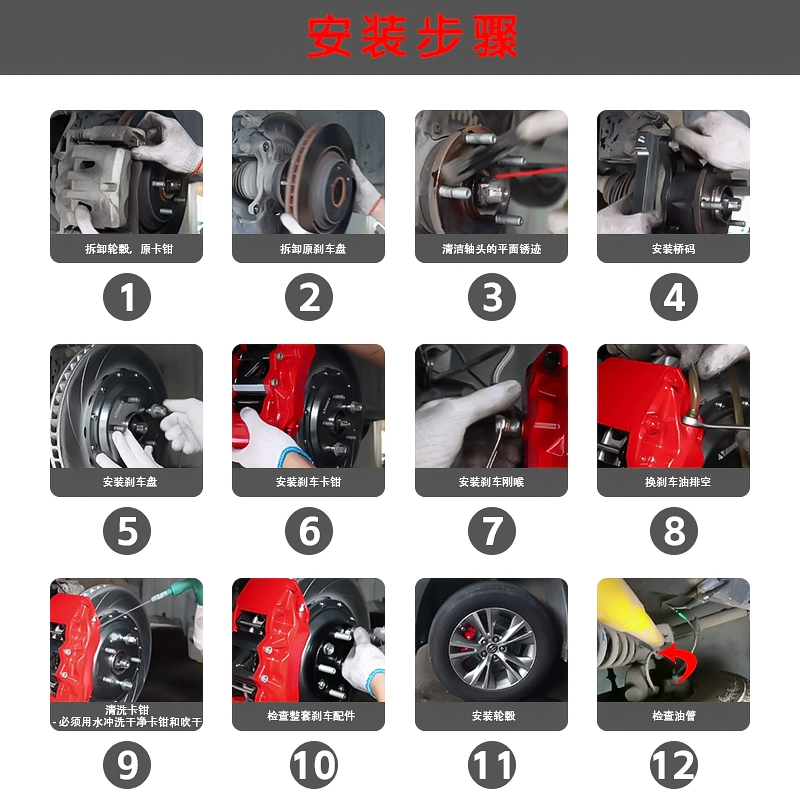
Installation step reference
Installation checks should confirm surface contact, clearance, hose movement, and hardware position.
Brake caliper installation guide
A practical guide for custom brake caliper orders: what buyers should send, what the workshop should check, when to stop, and which photos help us review fitment, packing, shipping, and after-sales questions.
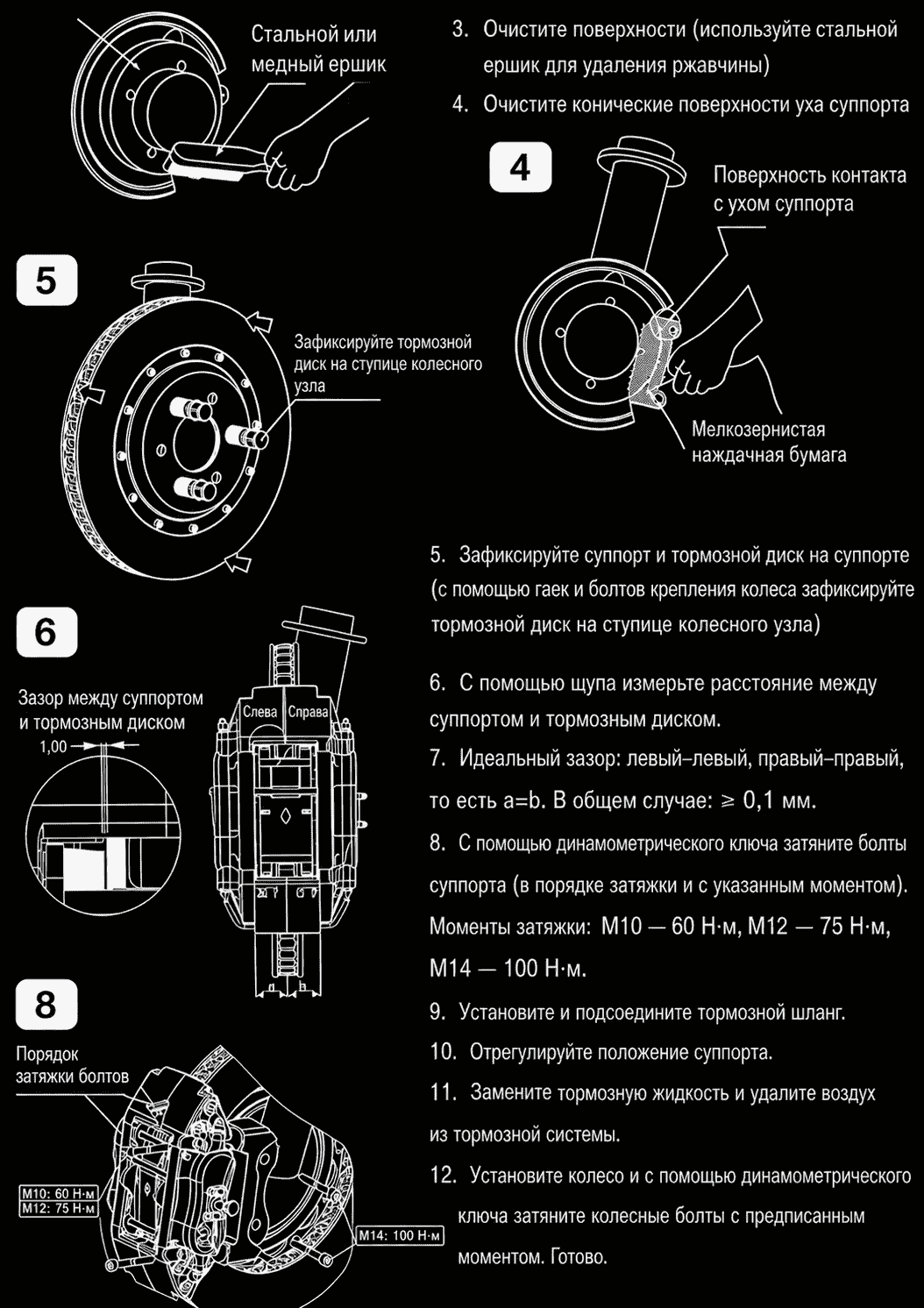
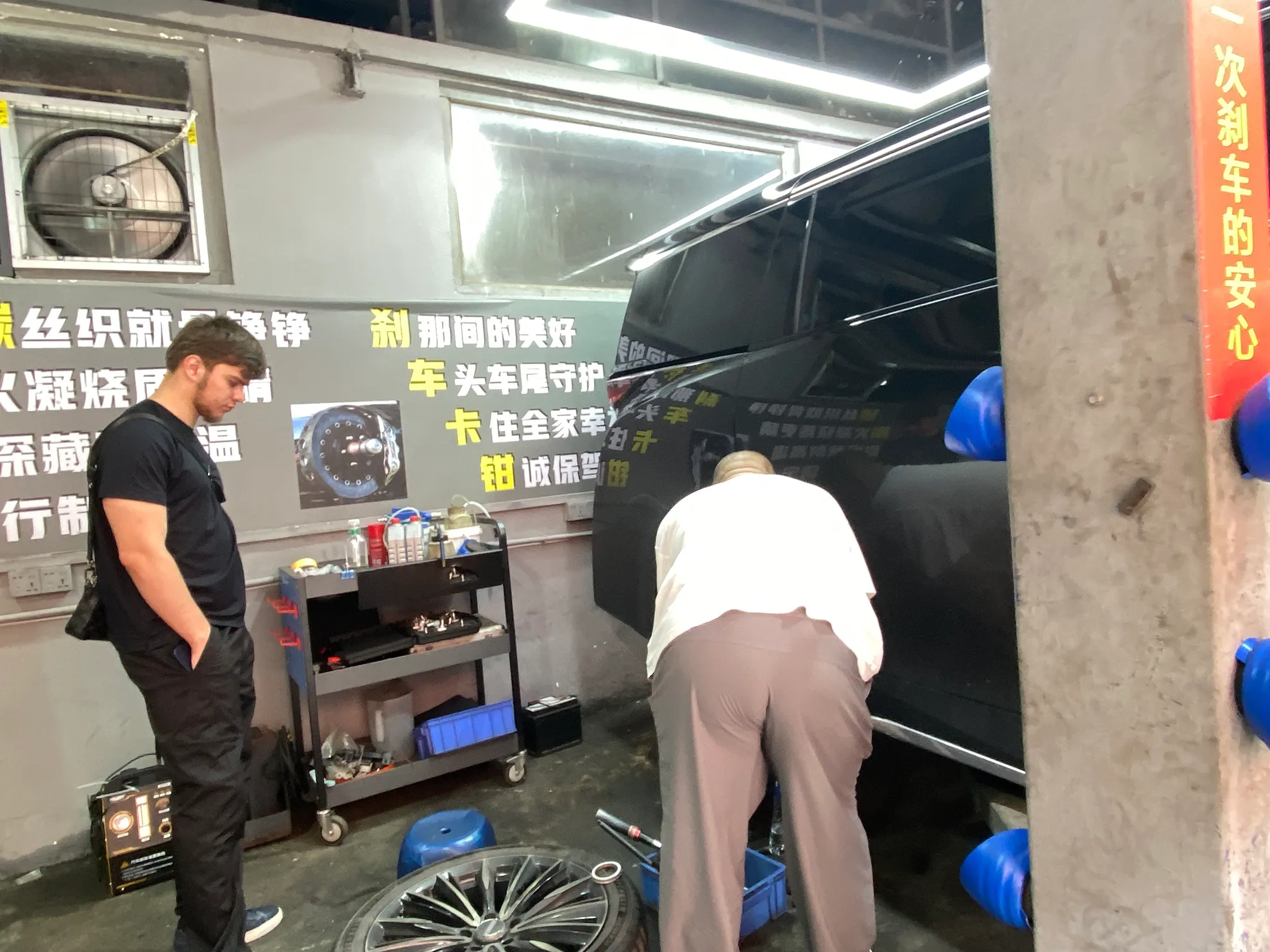
Fitment, clearance, hose movement, labels, and photo evidence should be reviewed before the vehicle is driven.
Visual references
These visuals use the supplied installation, caliper-detail, buyer-application, production, and packing images instead of unrelated placeholder images.
Installation checks should confirm surface contact, clearance, hose movement, and hardware position.
Use installation detail photos to confirm clearance before road use and before opening an after-sales case.
Application reviews compare wheel size, brake disc size, and installation clearance before a configuration is approved.
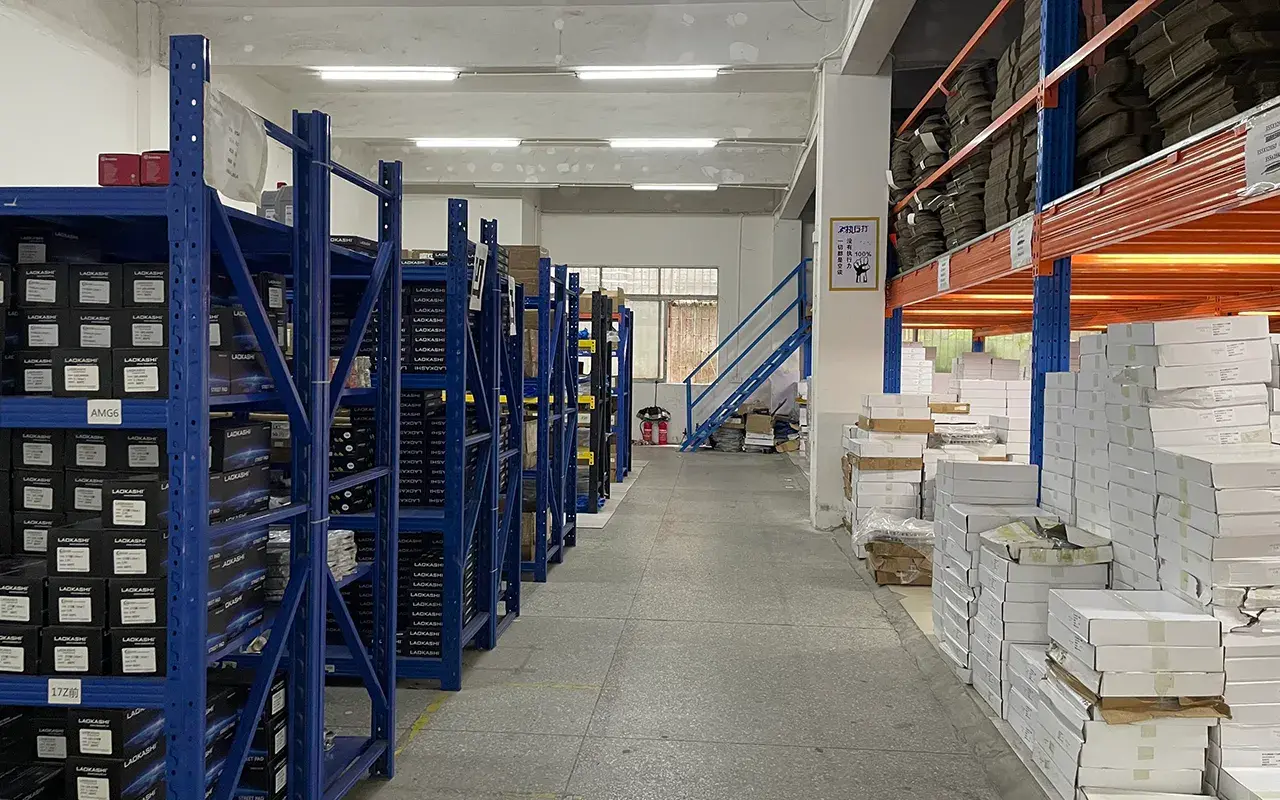
Order notes, finish choices, and brake setup details are checked before packing and dispatch.
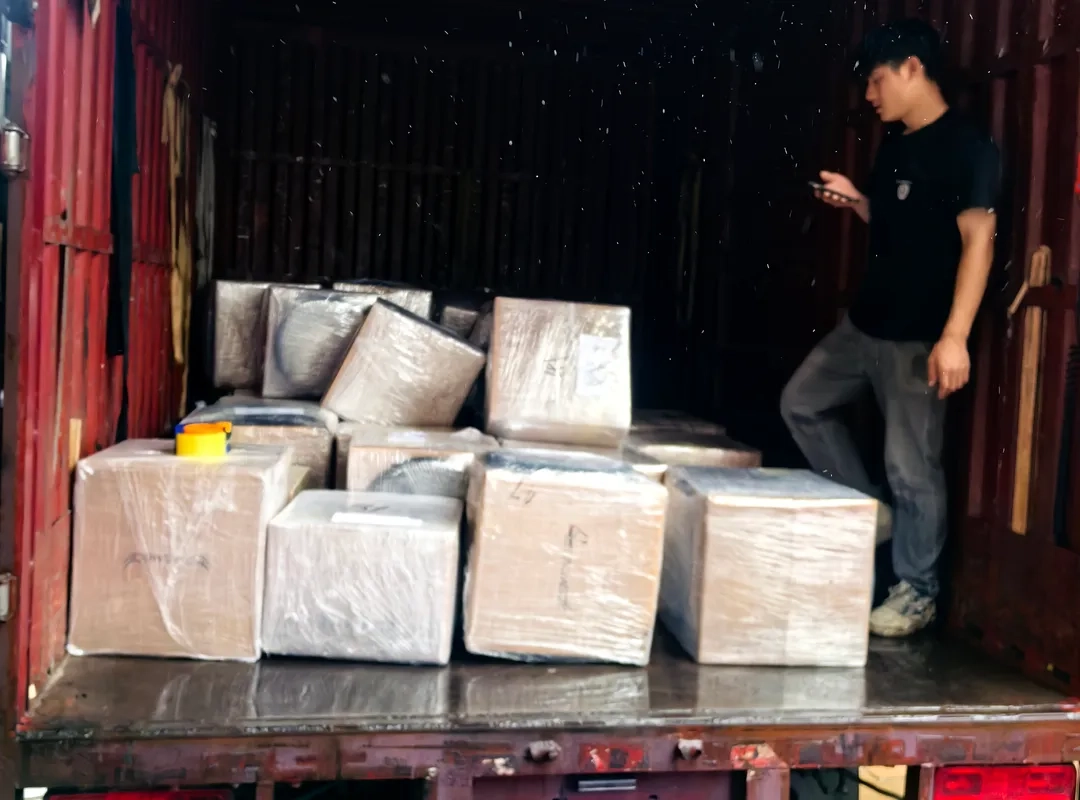
Packed orders are prepared for handling, loading, and the agreed shipping method.
Core guide modules
The page is written like an article but structured for scanning: each block has a decision, reason, and short checklist.
A brake caliper quote should start with the vehicle model, VIN or chassis number, wheel size, front and rear caliper notes, and brake disc size.
Wheel diameter alone is not enough. Inner barrel, spoke shape, offset, brake disc diameter, and disc style can decide whether a custom setup clears.
Custom caliper color, logo, center ring, quantity, and finish requests should be confirmed in writing before production and packing.
Before driving, confirm mounting surfaces, side orientation, hose movement, bracket position, disc alignment, and wheel clearance.
If anything looks wrong, stop and photograph labels, caliper position, disc size, wheel clearance, carton, and the exact issue before modification.
Heavy brake parts need carton and loading choices that match weight, destination, and whether the shipment is a sample, custom set, or wholesale batch.
Quote checklist
This table matches the vehicle fitment form and keeps the buyer's first message complete.
| Field | Why it matters | Buyer note |
|---|---|---|
| Vehicle model | Model, year, trim, and market version can change the brake package. | Include exact model and year range. |
| VIN / chassis number | Helps separate similar trims and market versions. | Send VIN when available; still include wheel and disc data. |
| Wheel size | Large calipers can fail on spoke or barrel clearance even when diameter looks sufficient. | Add wheel size, offset, and photos if possible. |
| Front and rear calipers | Front-only, rear-only, and full-set orders need different parts and balance notes. | State axle position and current caliper type. |
| Brake disc size | Caliper, bracket, and pad matching depend on disc diameter and thickness. | Send diameter, thickness, and disc photos. |
| Brake disc style | Slotted, drilled, floating, or plain discs may change expectations and quote scope. | Confirm style before production. |
| Color, center ring, logo | Custom options must be locked before production and packing. | Send exact color and logo direction. |
| Name, phone, postal code, address | Shipping cost and delivery path depend on destination details. | Put contact and address fields in the first message. |
Installation checks
This is not a substitute for a qualified mechanic, but it sets the inspection conversation before after-sales risk starts.
| Step | Check | Stop if |
|---|---|---|
| Before fitting | Compare labels, side orientation, brackets, disc size, and included hardware against the order. | The label, side, or package scope does not match. |
| Trial position | Set caliper, bracket, disc, and pads in position before final tightening. | The caliper does not sit centered or bracket holes do not align. |
| Hose and clearance | Check hose movement, wheel spoke clearance, barrel clearance, and lock-to-lock movement where relevant. | There is rubbing, stretching, contact, or uncertain clearance. |
| Final review | Inspect fasteners, bleeder position, pad seating, disc contact, and photos before road use. | Anything looks modified, contaminated, damaged, or unsafe. |
Customer evidence
Clear evidence turns a vague problem into a specific fitment, packing, shipping, or installation question.
Send wheel, brake disc, caliper position, and bracket area photos before treating a setup as quote-ready.
Photograph carton, labels, inner packing, and product condition before installation or modification.
If there is a problem, show the exact contact point, label, side, disc size, and what the installer tried.
Keep the approved vehicle setup, color, logo, center ring, and delivery details for future orders.
Packing and loading
Heavy brake caliper shipments need stronger packing and cleaner grouping than lightweight accessories. The shipment should match vehicle setup, quantity, color, logo, destination, and route.
Review how cartons, grouping, loading, and arrival inspection should be handled.
See which photos and order details are needed before a support case can move.
Review representative workflows that connect fitment data, configuration, packing, and support.
Troubleshooting FAQ
Quote preparation
Use one message for vehicle model, VIN, wheel size, front and rear caliper notes, brake disc size, brake disc style, caliper color, center ring, logo request, name, phone, postal code, and delivery address.