Big brake kit sourcing with fitment checks first
Big brake kit buyers usually arrive with a simple goal, but the real decision is more specific: caliper layout, rotor diameter, axle position, wheel clearance, pad choice, and exactly what is included in the package. This category keeps those checks close to the product list so the quote can move from interest to fitment review without guesswork.
For a reliable RFQ, send the vehicle year, trim, front or rear axle, current wheel size, wheel photos, intended use, and whether the request is for a full brake upgrade kit, a brake caliper and rotor kit, or a more focused replacement part.
Where broad brake searches should go next
Use the parent brake system page when the buyer is still comparing complete brake upgrade routes. Once the request is about included hardware, piston count, Brembo components, rebuild parts, pads, rear calipers, or slotted rotors, the narrower pages below give a cleaner answer.
Complete upgrade kits
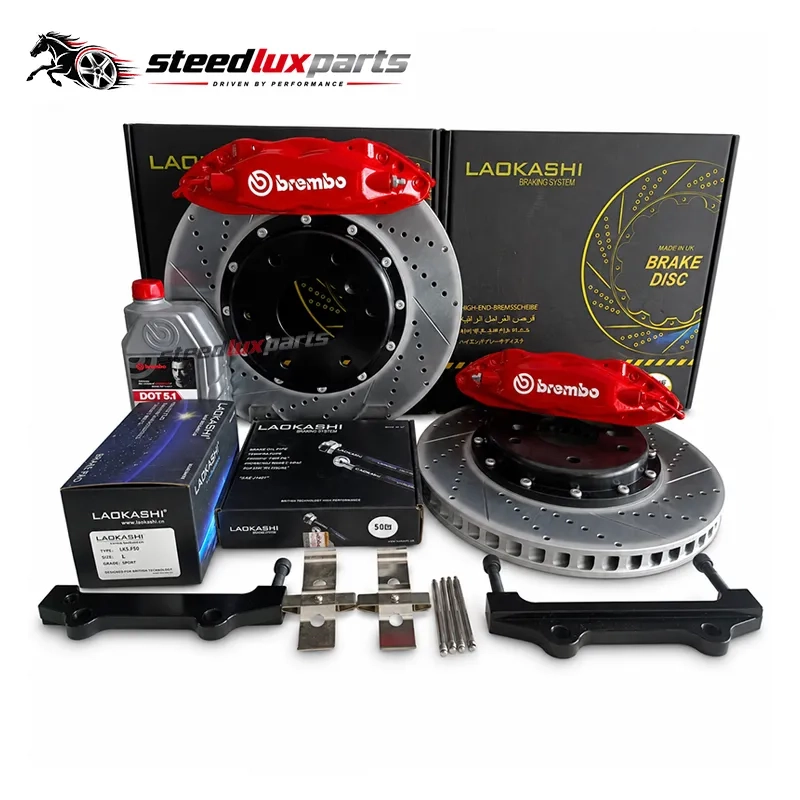
Use this route when the buyer wants a package that may include calipers, rotors, brackets, pads, hoses, and mounting hardware.
Caliper and rotor packages
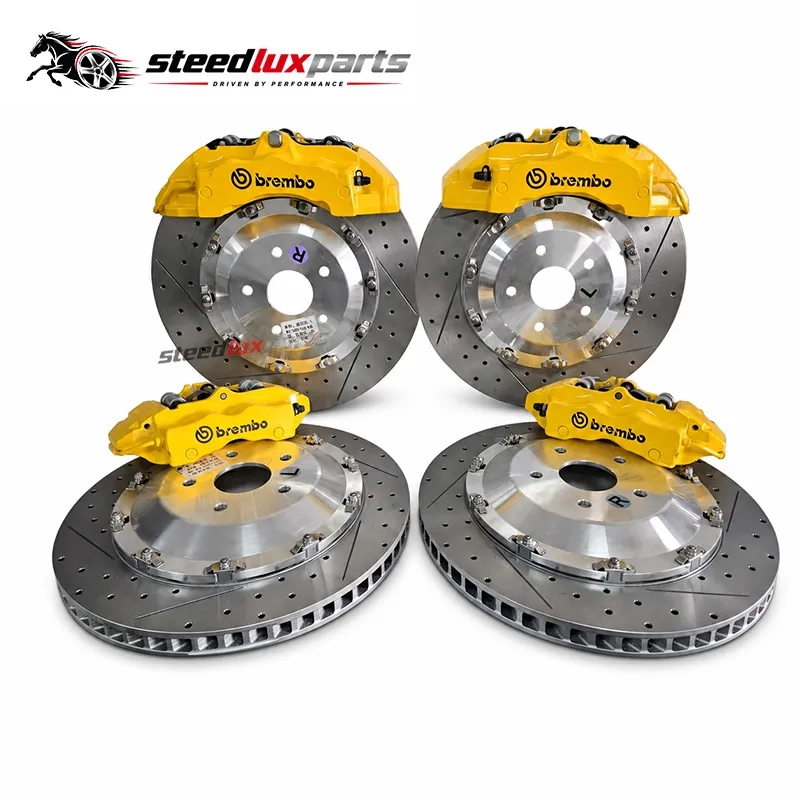
Move to the caliper and rotor kit page when the buyer is already asking what main hardware is included.
Piston-count searches
Move to the 6 piston page when the buyer is comparing caliper specification, wheel clearance, and front brake upgrade scope.
Checks that matter before a brake upgrade kit is quoted
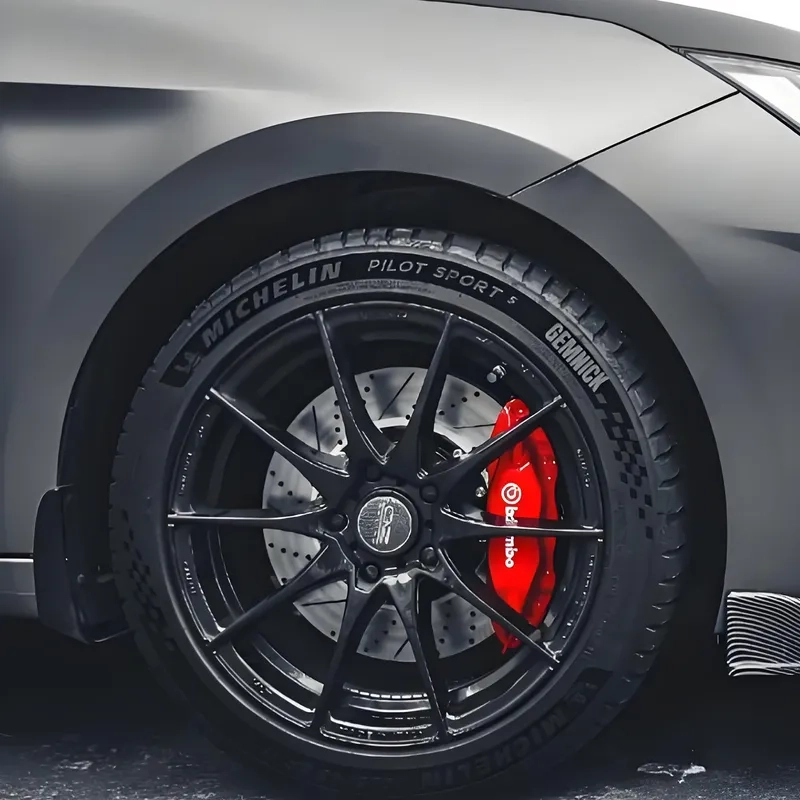
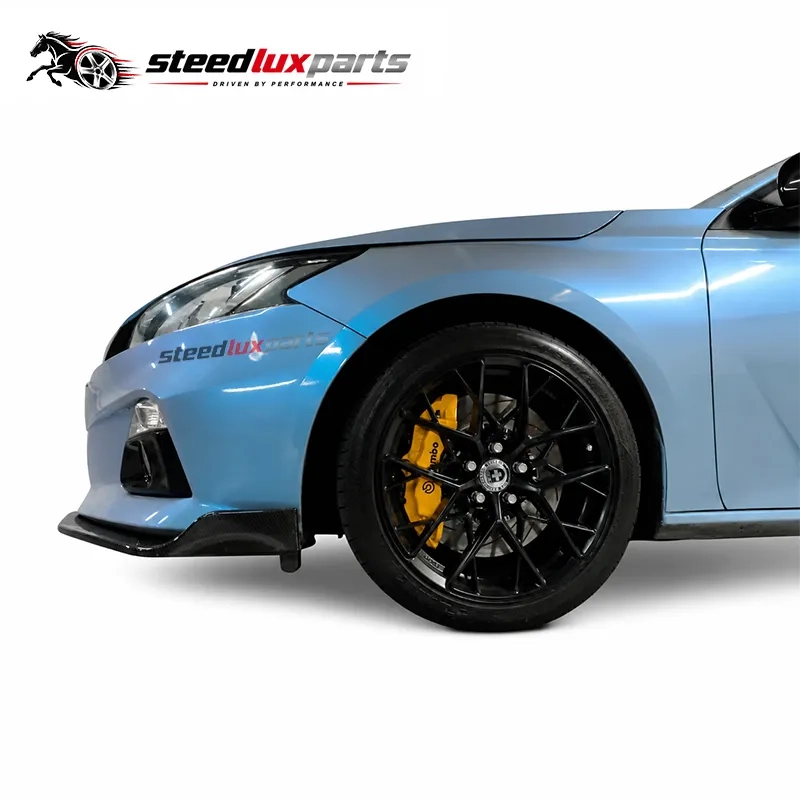
Wheel clearance is often the first real blocker. Rotor diameter, caliper body size, spoke shape, offset, and barrel clearance can matter as much as the wheel diameter printed on the rim.
| Buyer detail | Why it matters | Useful evidence |
|---|---|---|
| Vehicle and trim | Brake brackets, hubs, ABS hardware, and rotor size can vary by model year and trim. | Year, trim, VIN or OE reference, and photos of the current brake setup. |
| Wheel setup | Large calipers can fail on spoke or barrel clearance even when the wheel diameter looks large enough. | Wheel size, offset, spoke photos, and any spacer plan. |
| Axle position | Front-only kits, rear calipers, and full front/rear packages have different hardware and brake-balance questions. | Front, rear, or full kit requirement. |
| Use case | Daily street, towing, off-road, and track use ask for different pad, rotor, and heat-capacity choices. | Driving use, load, climate, and expected order quantity. |
How buyers choose between street, track, and workshop stock
A bigger brake kit is not automatically the right answer for every vehicle. Good category copy should help the buyer choose a package that suits heat load, wheel size, replacement cost, and daily comfort.
Daily street
Prioritize predictable pedal feel, lower noise, manageable dust, and pad availability over maximum rotor size.
Street and track
Review pad compound, fluid, rotor heat capacity, and bedding steps before treating the kit as ready for hard use.
Workshop or distributor orders
Confirm repeat fitments, carton strength, replacement pads, and claim evidence before stocking multiple kits.
Core brake upgrade paths this category supports
Use this broad entry point for complete big brake kits, brake upgrade kits, front brake packages, caliper and rotor kits, six-piston options, and wheel-clearance RFQs. The useful decision is not the category name; it is the fitment evidence behind the request.
Big brake kits
Use for complete upgrade intent where the buyer needs calipers, rotors, brackets, pads, hoses, and hardware reviewed together.
Brake caliper and rotor kits
Use when the buyer compares caliper configuration, rotor diameter, axle position, and included mounting parts.
6 piston brake kits
Use only where piston count is part of the product or quote scope, then pair it with wheel and rotor checks.
How to move from broad brake demand to a safe quote
Start with make, model, year, trim, axle, wheel size, and intended use. Then narrow the quote by rotor diameter, caliper style, piston count, package contents, and destination market. That keeps the broad brake route useful without making buyers read through unrelated details.
Common checks before quotation
What information is needed for a big brake kit RFQ?
Send vehicle year, trim, axle position, wheel size, wheel photos, rotor target if known, piston-count preference, quantity, intended use, and destination country. Brake kits should not be quoted only from a category name.
Will a big brake kit fit stock wheels?
Not always. Clearance depends on rotor size, caliper body, wheel diameter, spoke shape, offset, and barrel design. Wheel photos and measurements reduce the risk of ordering a kit that cannot be installed.
Is a front big brake kit enough?
Many upgrades start at the front because the front axle does most braking work, but the right answer depends on vehicle use, brake balance, rear hardware, and whether the buyer wants a complete front and rear brake kit with calipers.
Are replacement pads and rotors available later?
They should be checked before ordering the kit. Importers and workshops should confirm pad shape, rotor size, hardware, hoses, and rebuild parts so the first order does not create a future service problem.
What is the difference between a big brake kit and a brake caliper and rotor kit?
A big brake kit usually describes a performance upgrade package, while a brake caliper and rotor kit focuses on the main hardware included. Buyers still need the full package scope confirmed before ordering.
When should buyers move from the parent page to a 6 piston page?
Move to the 6 piston page when the buyer is already comparing caliper specification, rotor size, wheel clearance, and vehicle-specific fitment rather than browsing general brake upgrades.